Is Sunken Concrete a Safety Hazard? What Castle Rock Homeowners Need to Know in 2026
Sunken concrete is a genuine safety hazard, and Castle Rock, CO, homeowners face higher-than-average risk due to the area's unique soil and climate. This article covers why sunken slabs cause injuries and liability, where the danger zones are, what Colorado and local rules say about sidewalk responsibility, and how sunken concrete lifting in Castle Rock, CO, resolves the problem without costly full replacement.
Why Sunken Concrete Is a Real Safety Hazard
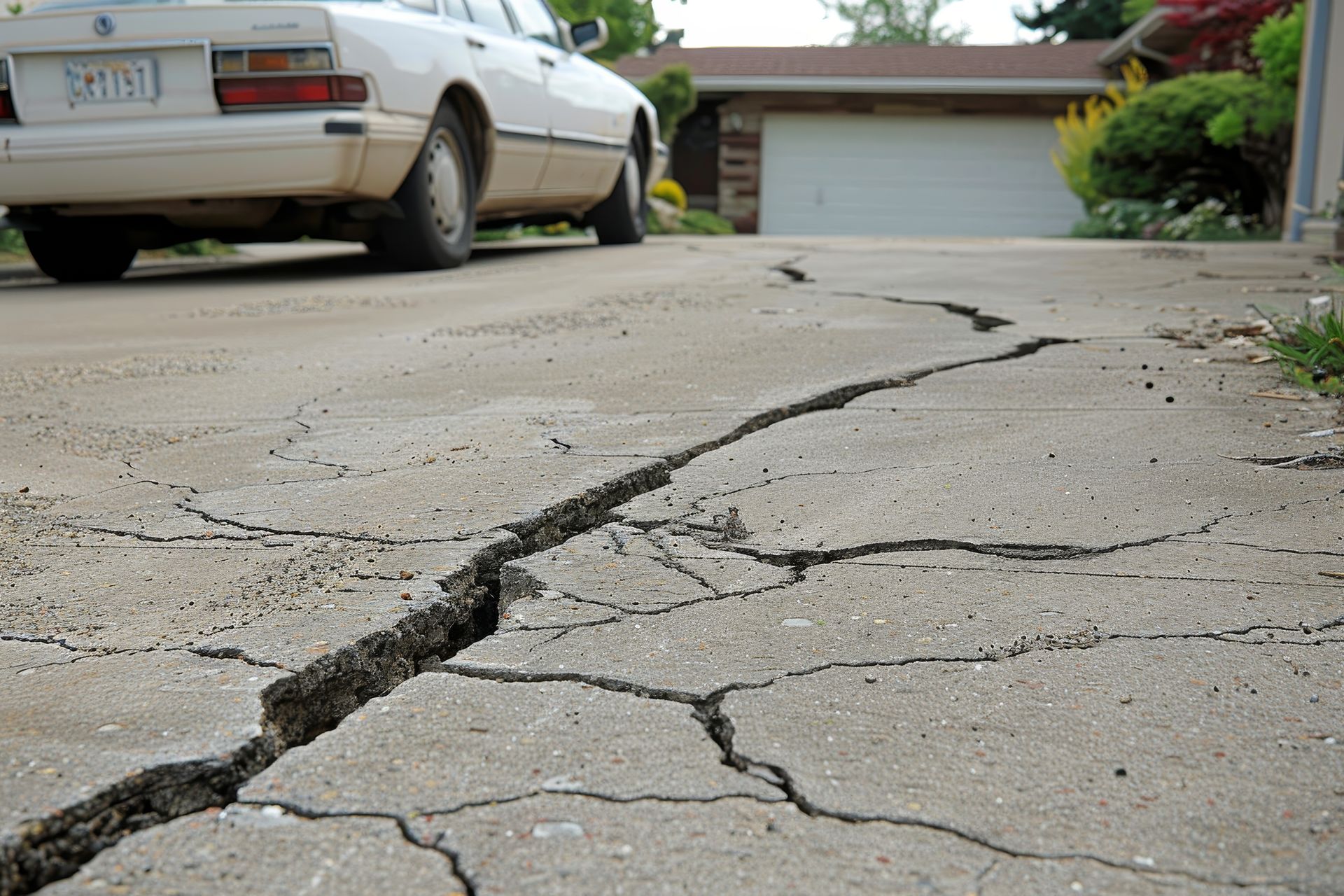
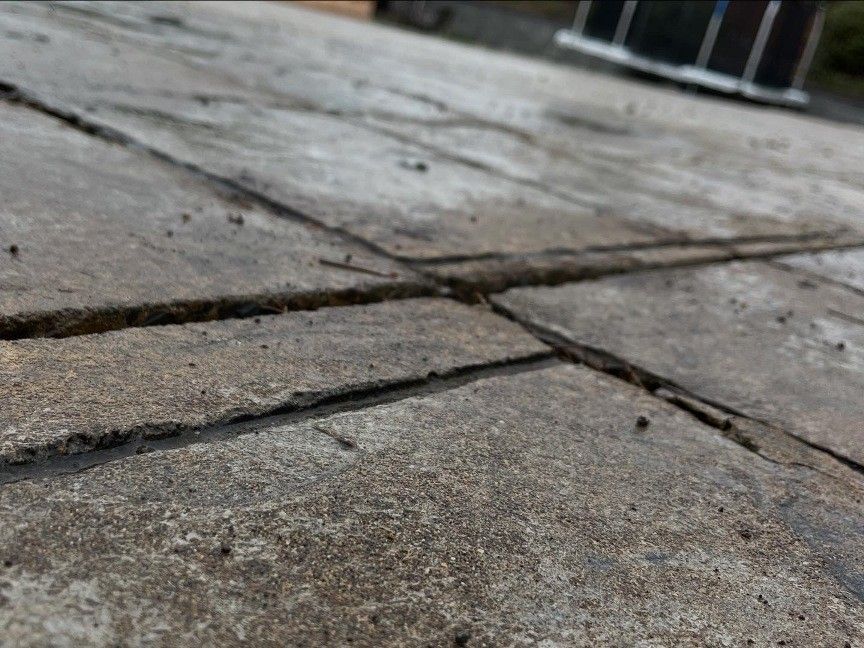
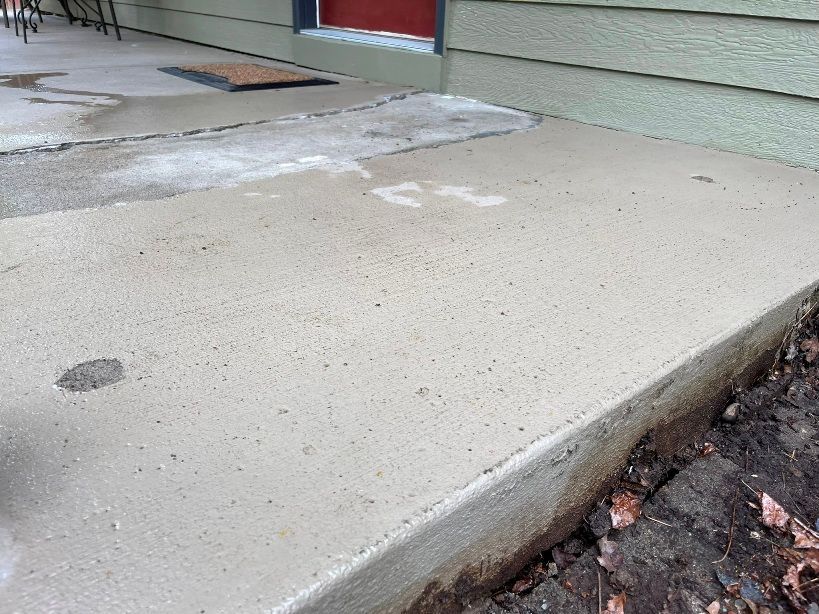
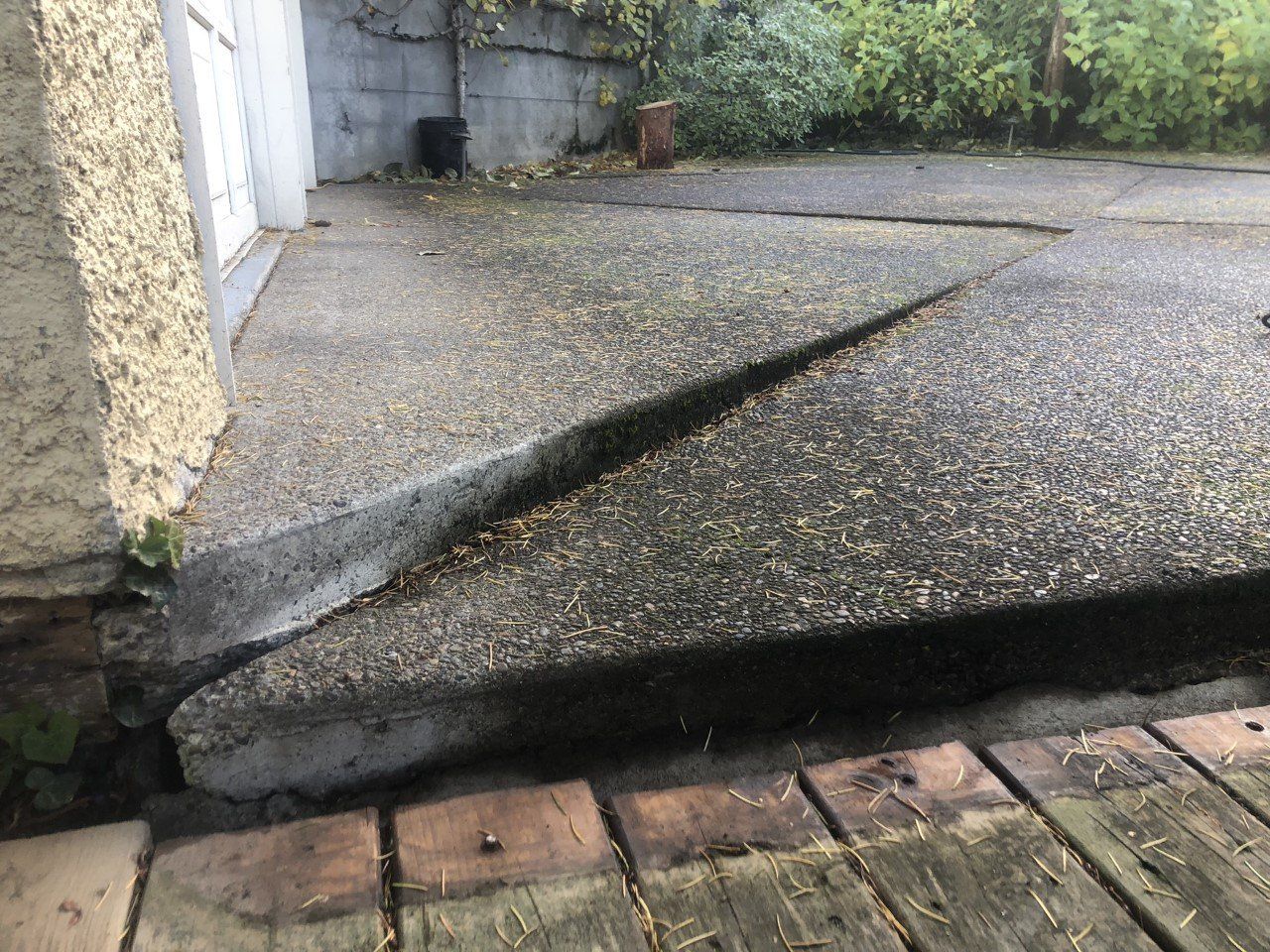
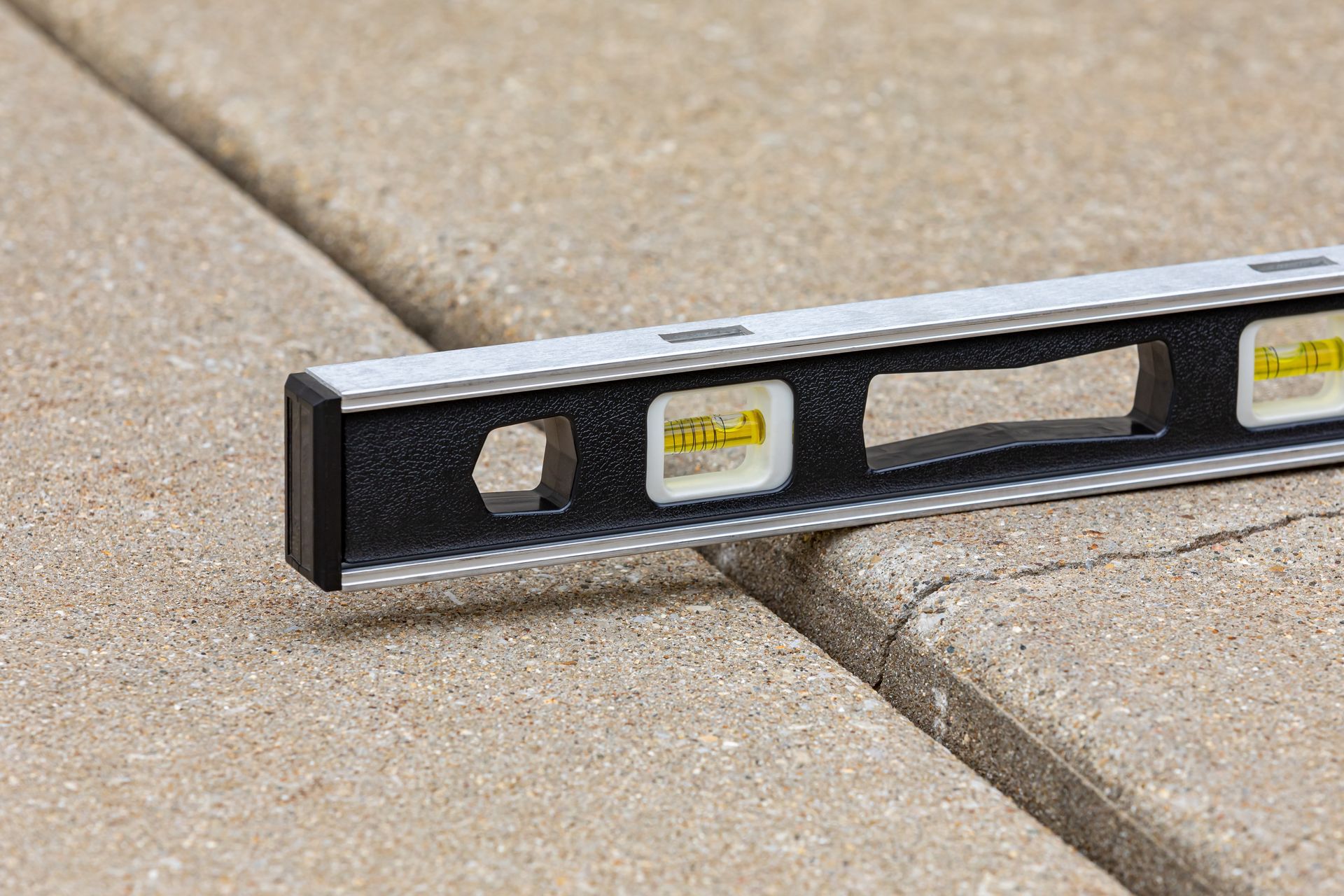
Uneven concrete creates trip-and-fall risks the moment a slab drops even a fraction of an inch. Under the Americans with Disabilities Act, any walkway with a vertical displacement greater than 1/4 inch is a trip hazard that must be corrected. That is a very small gap. A raised edge that seems minor to the eye can send a child, an elderly neighbor, or a delivery driver to the ground.
Failure to address these hazards may violate ADA sidewalk standards, leaving you vulnerable to lawsuits or fines. The risk extends beyond pedestrians to your wallet. People using mobility aids, strollers, or canes face especially serious danger, as do the property owners who could face legal action if problems go unaddressed. Sunken concrete lifting in Castle Rock, CO, is one of the most efficient ways to correct these hazards before they result in injury or a formal complaint.
What Castle Rock and Colorado Law Say About Sidewalk Responsibility
Castle Rock homeowners carry direct responsibility for sidewalks on or near their property. Property owners are responsible for all sidewalks on or adjacent to their property, and all sidewalks must remain free from obstructions, including snow, ice, and other hazards. A sunken or heaved slab qualifies as a hazard under that standard.
Letting a known hazard sit unaddressed puts you on the wrong side of the town's own maintenance expectations. Sunken concrete lifting in Castle Rock, CO, gives homeowners a straightforward path to compliance without tearing out entire slabs.
Many of Castle Rock's master-planned communities, including The Meadows, Terrain, and Founders Village, are governed by HOAs that may also require homeowners to correct visible concrete problems before they become neighborhood-wide complaints. For HOAs and commercial properties, proactive repair is far more cost-effective than waiting until major failures or liability issues appear.
Castle Rock's Soil and Climate Make Concrete Settling Worse
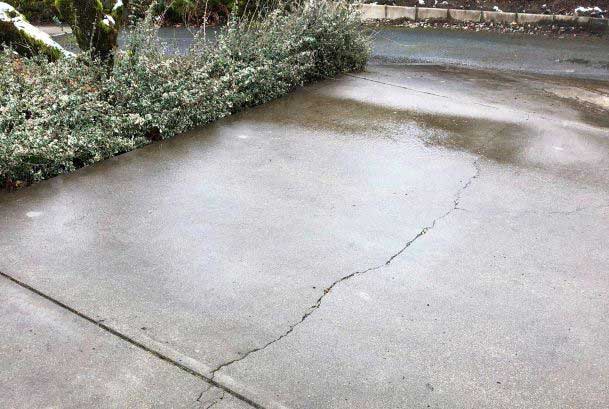
Settled concrete in Castle Rock is not random. The local soil contains expansive clay that absorbs water and swells during wet periods, then contracts when dry. Combined with the area's freeze-thaw conditions, this cycle drives movement and settling beneath slabs. When soil conditions are this aggressive, sunken concrete lifting in Castle Rock, CO, addresses the visible result while stabilizing the void beneath before the problem worsens.
Castle Rock also experiences dramatic weather shifts, with extreme temperature fluctuations stressing concrete expansion joints and accelerating cracking. Driveways, walkways, patios, and steps can sink or heave faster than homeowners expect, especially on sloped or elevated lots.
The Highest-Risk Zones Around Your Home
Sunken concrete can appear anywhere, but certain areas create the most danger.
Driveways: A sunken edge at the garage apron or where the driveway meets the street can cause vehicles to bottom out and pedestrians to trip while stepping out of a car.
Walkways and Front Entries: The path from the sidewalk to a front door often settles at panel joints, creating the raised edge most likely to catch a foot.
Steps and Stoops: A stoop that has dropped away from the house creates a dangerous gap and uneven riser height.
Patios: A patio sloping toward the home channels water against the foundation, compounding settling over time.
Sidewalks Adjacent to the Street: Castle Rock holds homeowners responsible for these panels, and a settled slab here is a public liability.
Scheduling sunken concrete lifting in Castle Rock, CO, for any of these zones is far less disruptive than full replacement and typically gets the surface back in service the same day.
Repair vs. Replacement: Which Option Makes Sense?
When Is Slab Lifting the Right Choice?
Slab lifting, also called mudjacking or slabjacking, is the better option when the concrete is structurally sound but the soil beneath has shifted. The process pumps a grout mixture under the slab, fills voids, stabilizes loose soil, and raises the panel back to its original level. Results are typically immediate, and the surface can often be used the same day.
Lifting works well on driveways, sidewalks, patios, and steps where the slab has no major full-depth cracking. For Castle Rock properties dealing with chronic settling due to local clay soils, sunken concrete lifting in Castle Rock, CO, is frequently the most practical long-term fix available.
When Should Sunken Concrete Be Replaced Instead?
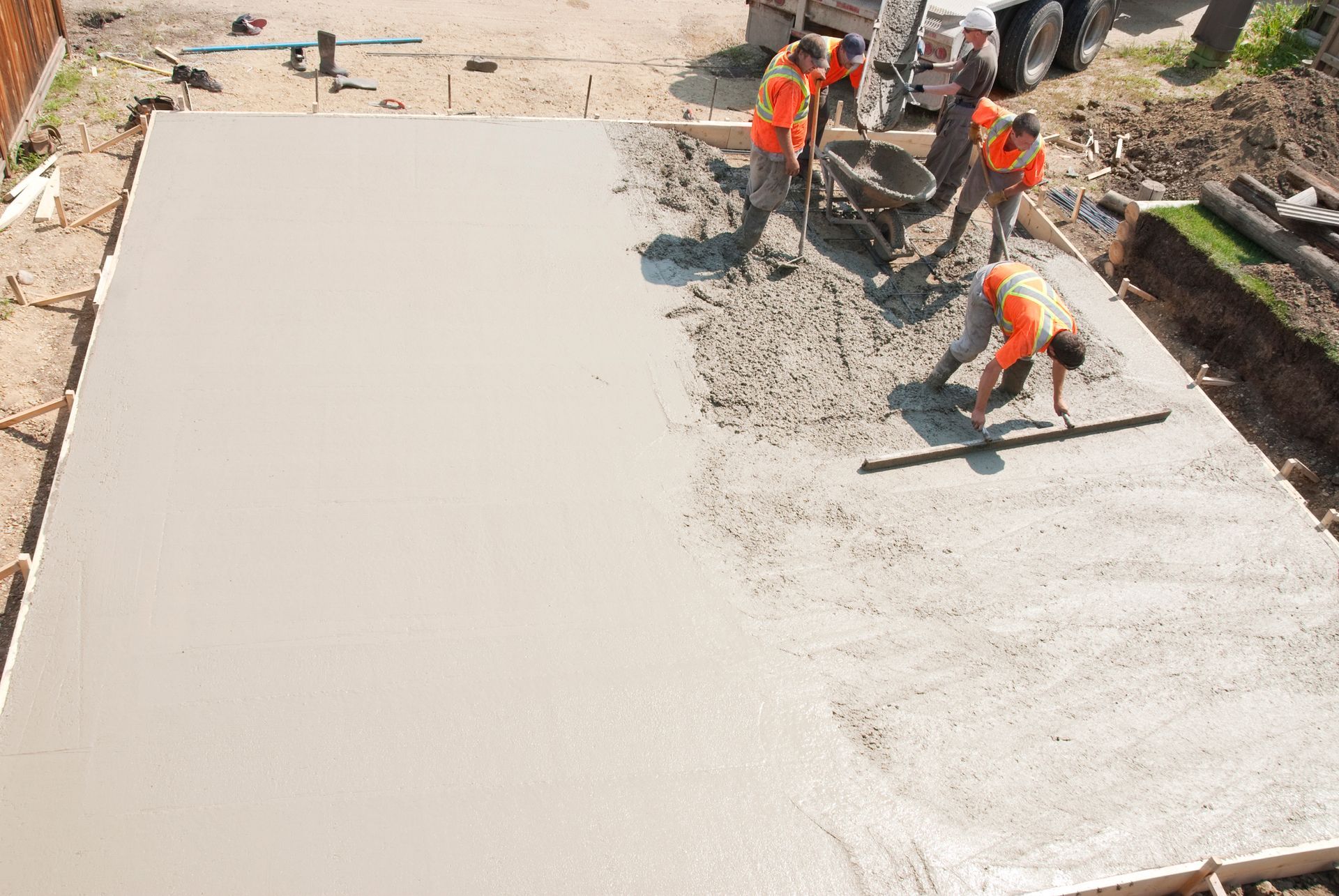
Replacement becomes the better path when a slab is severely cracked all the way through, crumbling at the edges, or when the underlying soil issue is so significant that a lifted slab will simply sink again. A professional inspection can tell you which situation you face. If the slab still has structural integrity, lifting may extend its useful life significantly and avoid the cost of a full pour.
Take Action Before Someone Gets Hurt in Castle Rock, CO
Sunken concrete lifting in Castle Rock, CO, is the most direct way to eliminate trip hazards, restore ADA-compliant surface levels, and protect yourself from liability under local code and federal accessibility law. Acting before an incident occurs is always less expensive than dealing with the aftermath.
Keystone Mudjackin serves Castle Rock, Colorado Springs, Pueblo, and surrounding communities with professional concrete lifting and leveling. The team is fully licensed and insured, the owner oversees every project, and free estimates are available before any work begins.
Call 719-510-1955 today or reach out through the contact page to schedule your free inspection. Find Keystone Mudjacking on Google to read reviews and get directions.