What Causes Concrete to Sink in Castle Rock and How to Fix It in 2026
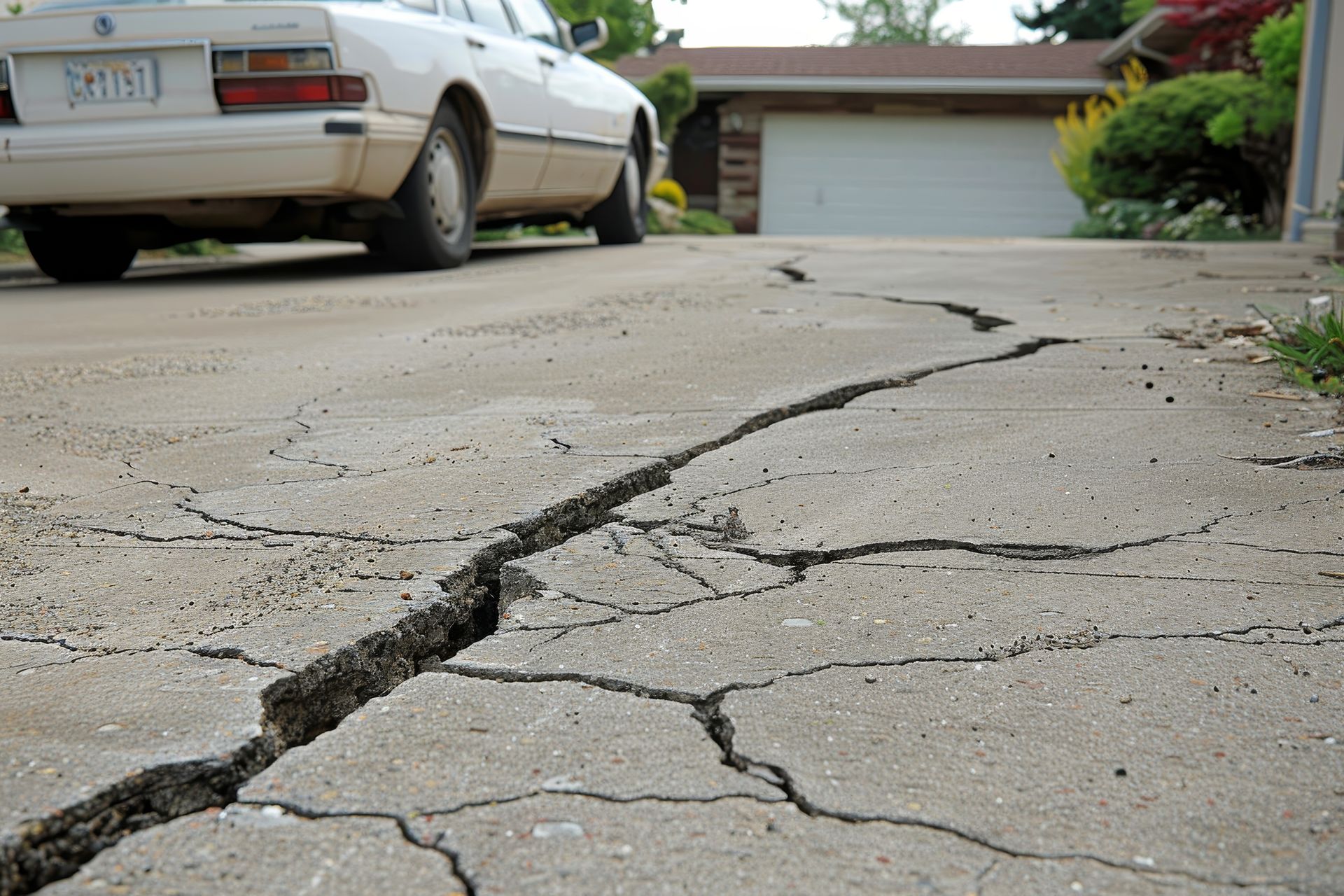
Concrete sinks in Castle Rock, CO, for very specific reasons tied to local soil and weather, and sunken concrete repair in Castle Rock, CO, is one of the most common calls homeowners make every spring. This article covers the main causes of concrete settlement in the Castle Rock area and explains the repair options available to you in 2026. Understanding what is happening beneath your slab can help you act before a small problem becomes an expensive one.
Why Castle Rock's Soil Makes Concrete So Vulnerable
Castle Rock sits atop some of Colorado's most active soil. The ground here contains expansive clay formations, including deposits related to the Denver Formation and Pierre Shale that underlie much of Douglas County. When these clay soils get wet, they swell. When they dry out, they shrink. That constant movement puts the concrete above them under stress year after year.
Castle Rock also receives variable precipitation throughout the year. Wet springs and dry summers mean the soil is almost never stable for long. Each cycle of swelling and shrinking can widen tiny voids beneath your slabs until the concrete above has nothing solid to rest on.
The town's elevation of roughly 6,200 feet adds another layer of difficulty. Temperatures swing well below freezing in winter, meaning any water that seeps under a slab can freeze and expand. This freeze-thaw action is a primary reason why driveways, sidewalks, and patios in neighborhoods like The Meadows, Crystal Valley, and Founders Village can look noticeably different after just one harsh winter.
What Are the Most Common Causes of Sinking Concrete in Castle Rock?
Several factors tend to work together rather than in isolation.
Poor drainage: Water that pools near a slab or flows underneath it erodes soil and washes away the fine particles that support the concrete. Downspouts directed too close to a driveway or patio are a frequent culprit. Once the supporting soil washes out, the slab drops.
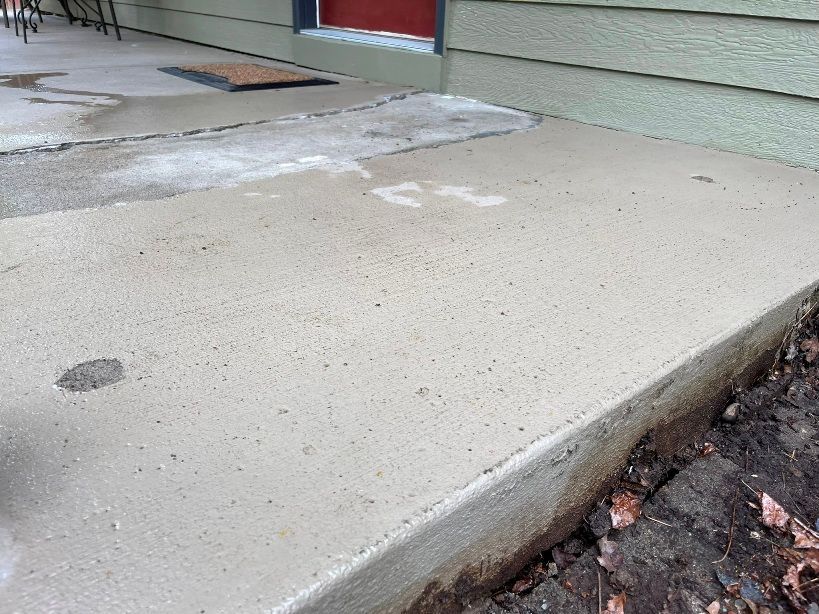
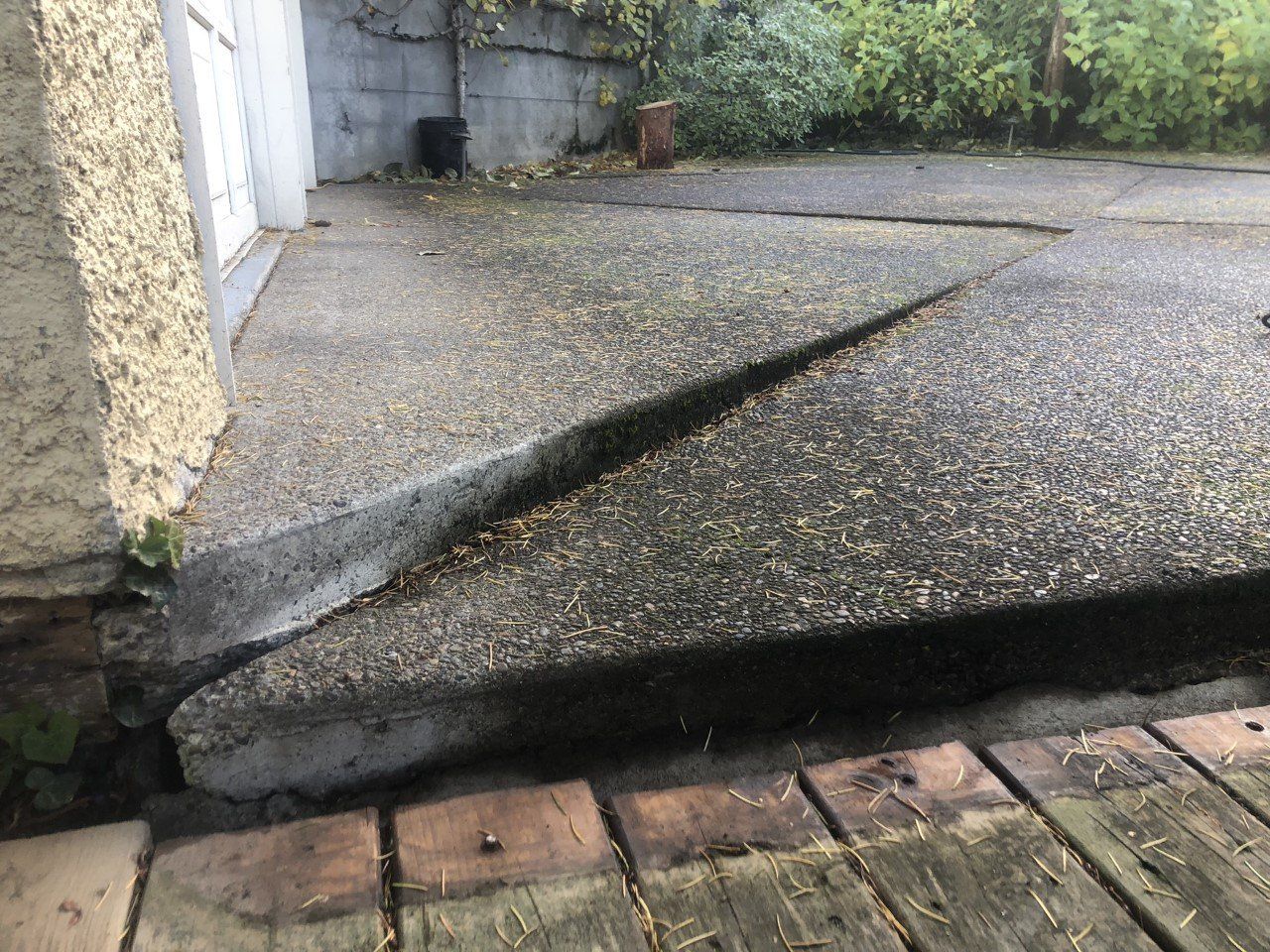
Soil settlement: Many Castle Rock neighborhoods were developed over disturbed soil that was never fully compacted. Over the years, that loose fill continues to settle, and the concrete above it gradually sinks.
Expansive clay movement: The clay-heavy ground expands with moisture and contracts in dry periods, creating gaps and voids beneath slabs even without any visible drainage problem.
Tree roots and vegetation: Roots from nearby trees can push beneath a slab and lift it unevenly, while dead or removed roots leave behind hollow channels over time.
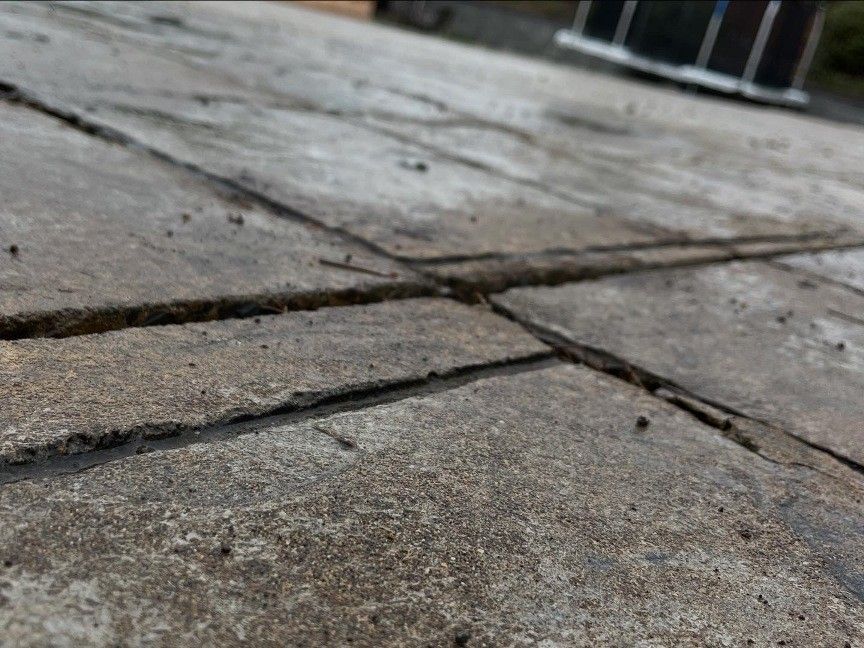
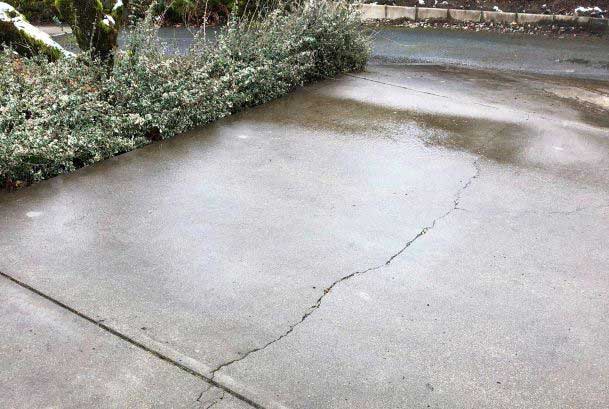
Freeze-thaw cycles: Water that enters under a slab freezes in winter, forces the concrete upward, then leaves a gap when it thaws. Repeated enough times, this causes noticeable settling in driveways and walkways.
In Castle Rock, it is common for two or three of these factors to combine, which is why sunken sections can appear faster here than in areas with more stable soil.
How Mudjacking Can Lift Sunken Slabs
Mudjacking is a proven sunken concrete repair method for raising slabs that have sunk due to voids or soil movement. The process involves drilling small holes through the affected slab, then pumping a mixture of sand and concrete slurry underneath. That material fills the voids, compacts loose soil, and gently raises the slab back toward its original position.
Once the slab is level, the drilled holes are patched and the surface is cleaned. Most surfaces are ready to use again very quickly, making mudjacking far less disruptive than tearing out and replacing the concrete entirely. The method has been in use for more than 60 years and remains a reliable, cost-effective solution. It is also environmentally friendly: the natural slurry material introduces no harsh chemicals into the ground, which matters in a community where open space and water quality are priorities.
Is Mudjacking the Right Fix, or Does the Concrete Need Replacing?
Mudjacking works best when the slab itself is structurally sound but has simply settled due to a loss of support underneath. If a slab is heavily cracked, crumbling, or broken into multiple pieces, replacement may be the more practical path. A professional inspection can determine which sunken concrete repair approach applies. In many cases, homeowners discover that lifting the existing slab is the better option because it preserves the original concrete and avoids the disruption and cost of full demolition.
When Should You Act on Sunken Concrete?
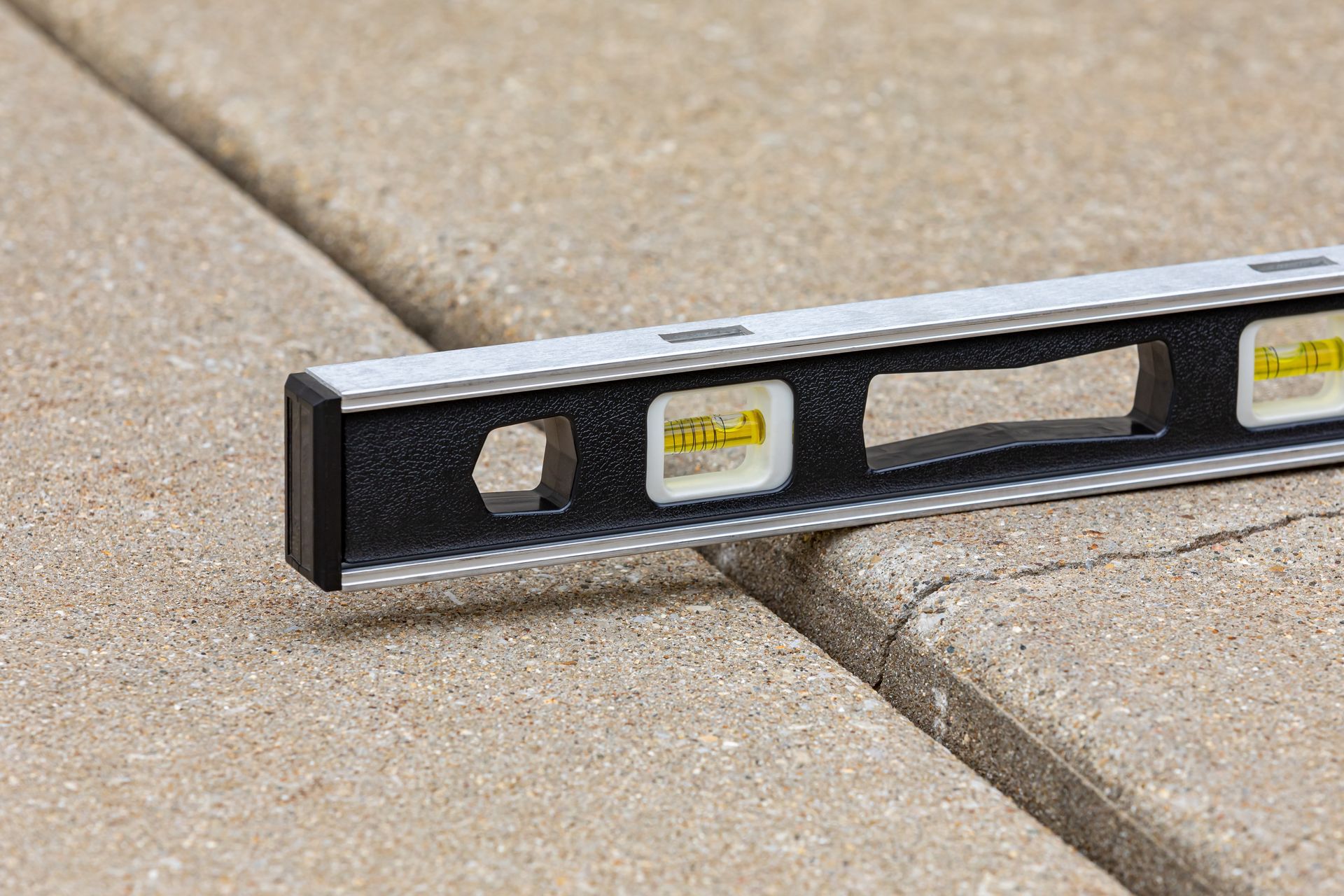
Acting sooner rather than later leads to better outcomes. A small step between two sections of sidewalk may seem minor, but it can become a trip hazard and worsen through the next freeze-thaw season. Uneven concrete also tends to collect water, which accelerates the erosion cycle below the slab. Addressing sunken slabs while the void beneath them is still manageable generally means less material is needed and a more straightforward repair. Scheduling sunken concrete repair in Castle Rock, CO, early in the season gives the best chance of a smooth result before conditions deteriorate further.
Get Your Castle Rock Concrete Evaluated in 2026
If you have a sunken driveway, settling patio, or uneven sidewalk, the team serving Castle Rock, CO, is ready to help with sunken concrete repair. Keystone Mudjacking uses the traditional sand and concrete slurry method of mudjacking that has proven effective across Castle Rock's challenging soil conditions for decades. The company is fully licensed, insured, and locally owned, with the owner on-site for every project.
Learn more on the
concrete leveling service page for Castle Rock, or reach out directly to
request a free estimate. You can also call
719-510-1955 to speak with the team and schedule an inspection. Find
Keystone Mudjacking on Google to read reviews from neighbors across Castle Rock and the surrounding area.